An American History Project of
The Lehrman Institute.
Please acknowledge
The Lehrman Institute
when using this research.
About The Gilder Lehrman Institute
About The Gilder Lehrman Institute
Founded in 1994 by Richard Gilder and Lewis E. Lehrman, the Gilder Lehrman Institute of American History is a nonprofit organization devoted to the improvement of history education. The Institute has developed an array of programs for schools, teachers, and students that now operate in all fifty states, including a website that features more than 60,000 unique historical documents in the Gilder Lehrman Collection.
"The better part of one's life consists of his friendships."
- Abraham Lincoln
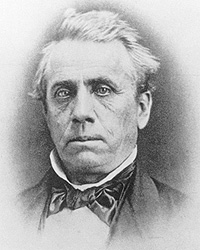
The Politicians
Mr. Lincoln was notable for his ability to maintain cordial relations with Democrats as well as Whigs and Republicans.
View the Politicians >>
The Boys
Mr. Lincoln's popularity with "the boys" was not tied to his indulgence in their vices. Indeed, he eschewed gambling, smoking and drinking. Mr. Lincoln managed to be one of the boys without being exactly like the boys.
View the Boys>>
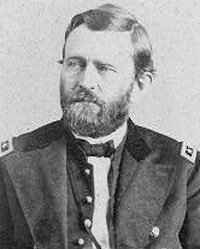
The Officers
"The responsibility of office weighed heavily upon the President, but never overwhelmed him; yet the rebuke of a friend caused him the keenest pangs."
View the Officers>>
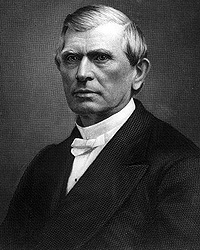
The Preachers
Mr. Lincoln and the preachers of his acquaintance spoke a common language - the language of the Scriptures. It did not make their relationships easy.
View the Preachers>>
The Women
"The truth is I have never corresponded much with ladies; and hence I postpone writing letters to them, as a business which I do not understand," Lincoln wrote Mrs. M. J. Green.
View the Women>>
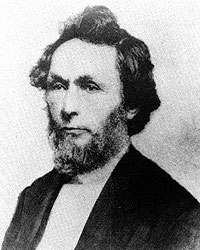
The Lawyers
"During my life I have been acquainted with very many able lawyers, and I have no hesitation in saying that Lincoln was the greatest trial lawyer I ever saw," wrote Shelby M. Cullom.
View the Lawyers>>
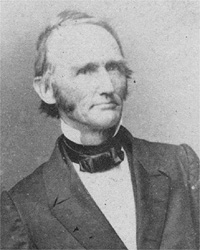
The Cabinet
Mr. Lincoln's Cabinet was not composed of friends - at least not initially. It was composed of major Republican figures with whom Mr. Lincoln's personal acquaintance was very limited.
View the Cabinet>>
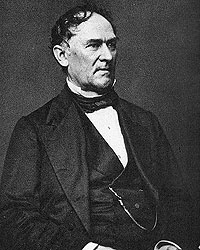
Members of Congress
Mr. Lincoln understood the mentality members of Congress from his one term there in 1847-1849. Several of those with whom he had served from Illinois played a continuing role in his life.
View Members of Congress >>
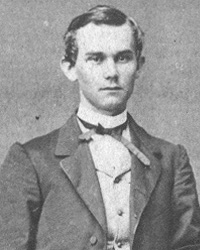
The Sons
"When the soldiers in the field or their folks at home spoke of 'Father Abraham,' there was no cant in it," wrote Carl Schurz. "They felt that their President was really caring for them as a father would..."
View the Sons>>
The Journalists
The relationship between Mr. Lincoln and journalists was generally symbiotic. It was natural because the line between journalism and politics was a thin one in the mid-19th century.
View the Journalists >>